location_on
Serving Hawaii Kai
Tree Removal in Hawaii Kai, HI — Coastal & Waterfront Property Specialists
Serving zip code 96825 and the surrounding area. Licensed, insured, ISA-certified tree care.
Serving zip code 96825 and the surrounding area. Licensed, insured, ISA-certified tree care.
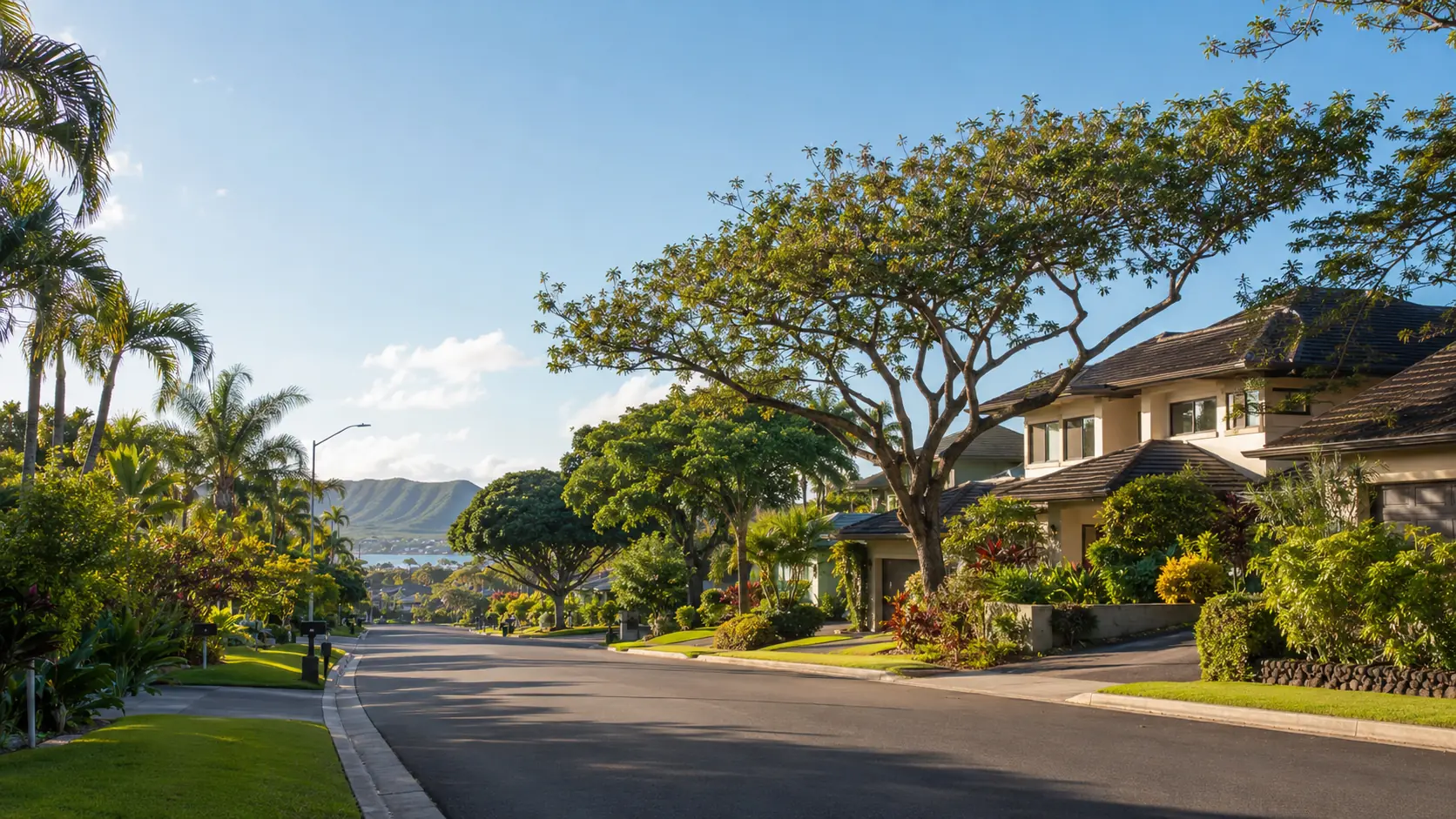
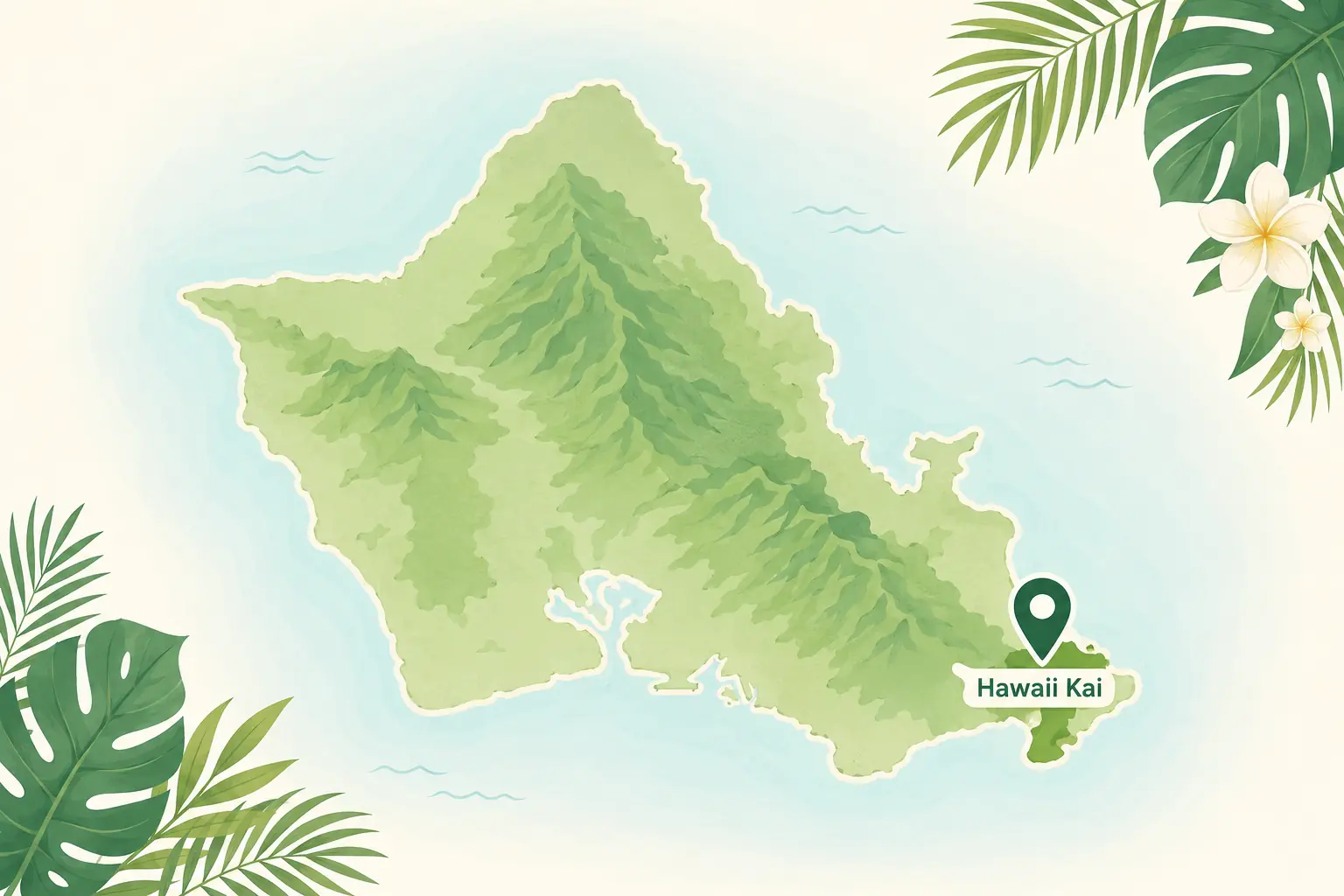
Tree Care Experts is excited to extend our tree care services to Hawaii Kai, Oahu's scenic coastal community at the base of Koko Head and Koko Crater. This coastal position means constant salt-air exposure and stronger, more consistent wind loads than most other Oahu neighborhoods, especially on properties closer to the marina and Kalanianaole Highway. The drier, leeward climate here favors kiawe, monkeypod, and other drought-tolerant species, but salt spray and steady wind stress weaken bark and root anchorage over time, particularly on the older trees planted when the community was first developed in the 1960s and 70s. Sloped lots near the crater add their own drainage and root-stability factors on top of that. Our tree removal in Hawaii Kai always accounts for this coastal exposure and terrain — it's what our crews have come to know this community for.
Coastal exposure is the defining factor in almost every job we do here.
Surrounded by water on three sides, Hawaii Kai gets salt spray carried by trade winds across the whole community, not just oceanfront lots — leaf burn and branch dieback are common.
One of the drier parts of Oahu, with strong, consistent trade winds — especially on ridge properties — that put real load on tree structure.
Many properties have significant investment in mature trees and palms — preservation through pruning and treatment often makes more sense than removal.
Properties near Koko Crater add drainage and root-stability factors on top of the coastal exposure, changing how a removal or major pruning job gets planned.
Full tree care delivered with the same standard across every Oahu neighborhood we serve.
Available in Hawaii Kai
Available in Hawaii Kai
Available in Hawaii Kai
Available in Hawaii Kai
Available in Hawaii Kai
Available in Hawaii Kai
Species chosen for what can survive the salt, sun, and wind here.
The classic Hawaii Kai look, but vulnerable to both salt stress and the coconut rhinoceros beetle.
Salt-tolerant native and naturalized species common on oceanfront and beach-adjacent properties.
Drought-tolerant and common in undeveloped areas; manages well in dry conditions but produces hazardous thorns.
Found on inland lots further from direct salt exposure, often planted decades ago and needing structural assessment.
Thrives in the dry, sunny conditions and is planted on countless residential lots.
Ornamental landscape staples that are often part of the same care visit as tree work.
If you own property in Hawaii Kai, salt damage is the single most common tree-care issue you'll run into — and the one most often misdiagnosed by homeowners.
Salt damage is cumulative — a single windy week won't kill a tree, but years of unmanaged exposure will gradually weaken even hardy species. Catching it early keeps your options open.
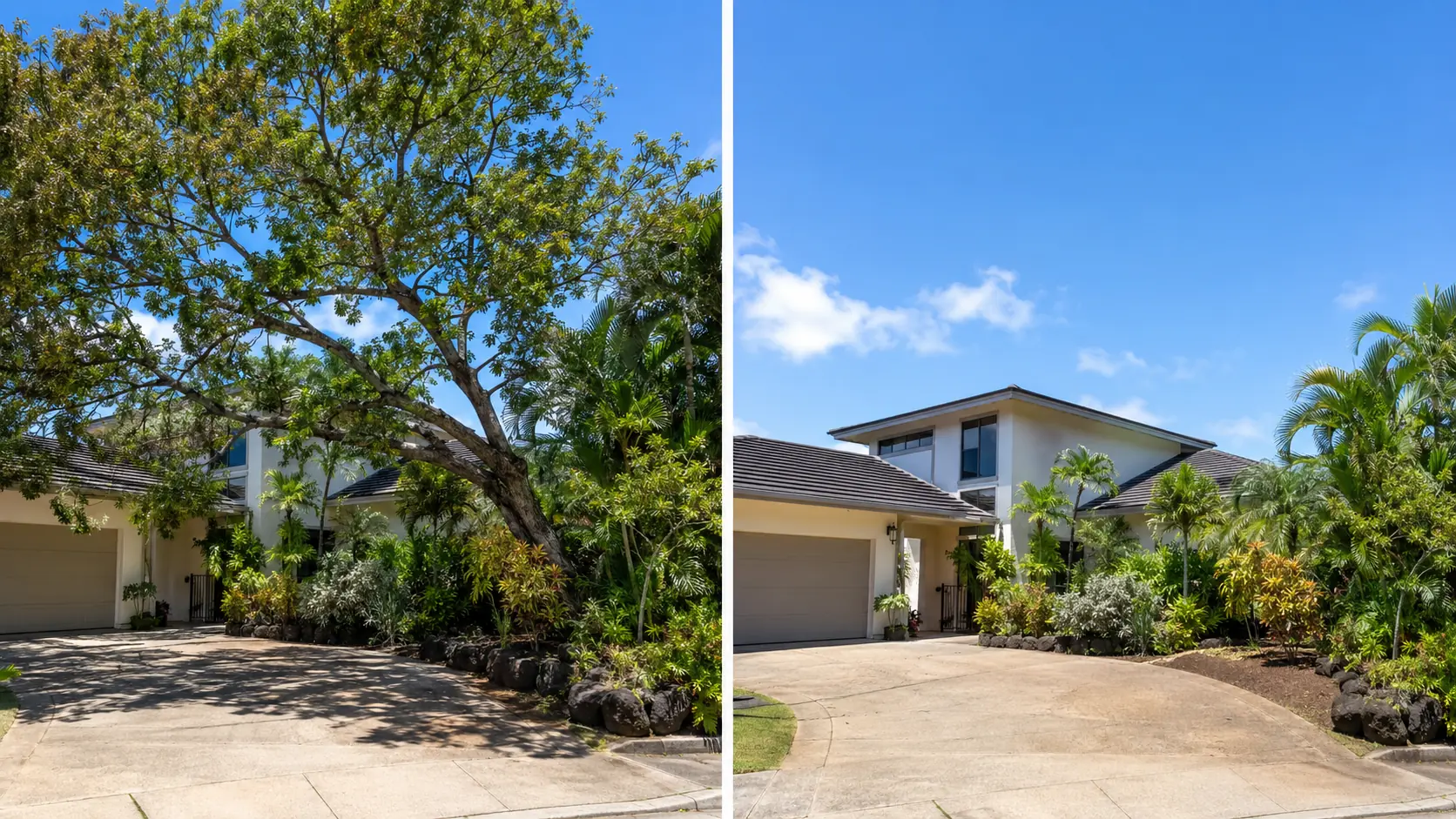
This reflects the kind of job we handle often in Hawaii Kai: a leaning coconut palm on a waterfront lot, its trunk weakened by years of direct salt spray and an eroding root plate near a seawall. Working close to water and existing hardscape calls for sectional rigging rather than a single controlled fell, so each piece comes down under control with no damage to docks, decking, or neighboring landscaping.
Common questions from Hawaii Kai customers.
Yes, Hawaii Kai is part of our regular Oahu service area. Call or request an estimate online and we will confirm availability for your address.
It depends on the tree's species and whether it sits in a City right-of-way. We check this for every job during the initial service assessment.
Possibly, but the symptoms can overlap with the coconut rhinoceros beetle, nutrient deficiency, or irrigation issues. We assess during a free consultation and give you a clear diagnosis and treatment plan.
Milo, naupaka, beach heliotrope, ironwood, and certain palms tolerate salt well. We can recommend species based on your exact exposure — oceanfront, ridge, or sheltered inland lots each call for different choices.
Cost depends on the tree's size, species, and how close it sits to the coastline or a structure. Salt-stressed coastal trees often need extra care during removal, and we give you an exact number after a free on-site assessment.
Contact Tree Care Experts today for a complimentary, no-obligation assessment.